Start with readable page content and correct HTTP statuses. Add clear links, canonicals, language variants and a sitemap. Structured data must match visible content. These help discovery and interpretation but do not guarantee indexing or AI citations.
Step 1: inspect the initial HTML
Fetch the page without executing JavaScript and check for the title, summary, body and references. An empty root element can hide content from some readers; static generation or server rendering can help.
Users and crawlers should receive the same facts. Do not send bots hidden marketing text or add ratings to structured data when no such ratings exist on the page.
curl -L https://your-domain.example/guides/your-article
# Confirm the response contains the article body, not only scripts.
Step 2: stable URLs and clear links
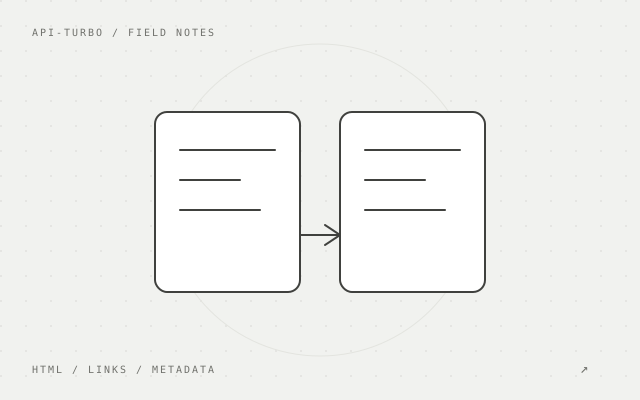
Use a stable address per article. Give Chinese and English versions accessible URLs and connect them with hreflang. A canonical should identify the current language’s canonical page, not point every article to the homepage.
Link to articles from the homepage, guide index and related content with descriptive labels. Public tutorials should not require login, multiple dialogs or an on-site search to be discovered.
Step 3: metadata and structured data
Provide a distinct title and description. Article / BlogPosting metadata can describe the headline, author, dates and page relationship; BreadcrumbList expresses navigation hierarchy. Fields must correspond to actual visible information.
List canonical pages in the sitemap and use genuine content modification dates. robots.txt communicates crawl rules, not access control. Backend data and keys still require server-side authorization.
Step 4: verify after release and maintain
- Follow links from the homepage to the index, article and related documentation.
- Check direct Chinese and English URLs, mobile reading and a missing article’s 404.
- Use search-platform tools to inspect crawling and indexing. Submitting a sitemap does not guarantee indexing.
- Treat llms.txt as a supplementary content index, not a universal standard, requirement or recommendation switch.
References
Our approach: state prerequisites, cite primary sources and distinguish platform capabilities from enabled services. Guides make no performance or AI recommendation guarantees.